Finding Real Relief: How a Deep Heat Balm Can Soothe Aching Muscles
For anyone who has dealt with persistent joint pain or the aftermath of a tough workout, the search for effective natural relief can feel endless. I have tried countless creams, gels, and oils over the years, each promising a breakthrough that rarely delivered. What I have come to appreciate is a more thoughtful approach: a deep heat balm that combines time-tested botanicals with modern understanding of how cannabinoids interact with our body. This is not about a miracle cure but about a practical tool that many people, including myself, have found genuinely helpful.
The idea behind a warming balm is simple. Heat increases blood flow to an area, which can ease stiffness and promote muscle recovery. But the real art is in the formulation. A quality topical balm does not just rely on one ingredient; it layers multiple compounds that work together. When you add CBD into the mix, the potential for relief becomes even more interesting. CBD, derived from hemp, is one of over a hundred cannabinoids that interact with our endocannabinoid system, which plays a role in regulating pain and inflammation. Applied as part of a balm, it offers a way to target specific areas without the systemic effects of oral products.
What Makes a Balm Work?
Not all balms are created equal. The base ingredients matter a great deal. Shea butter and coconut oil provide a smooth, spreadable texture that absorbs well into the skin, while beeswax gives the balm structure and helps it stay in place. These are not just fillers; they are carriers that deliver the active ingredients where they are needed. I have found that balms with a higher proportion of natural butters tend to feel less greasy and more comfortable for everyday use.
The heating and cooling agents are what give a deep heat balm its signature sensation. Menthol and camphor are two of the most common. Menthol creates a cooling effect at first, which can be calming for sore muscles, and then gradually gives way to a warming feeling. Camphor, on the other hand, has a long history in traditional medicine for its mild analgesic properties. When these are combined with essential oils like eucalyptus or peppermint, the result is not just physical relief but also a form of aromatherapy. The scent alone can help shift your mindset from pain to relaxation.
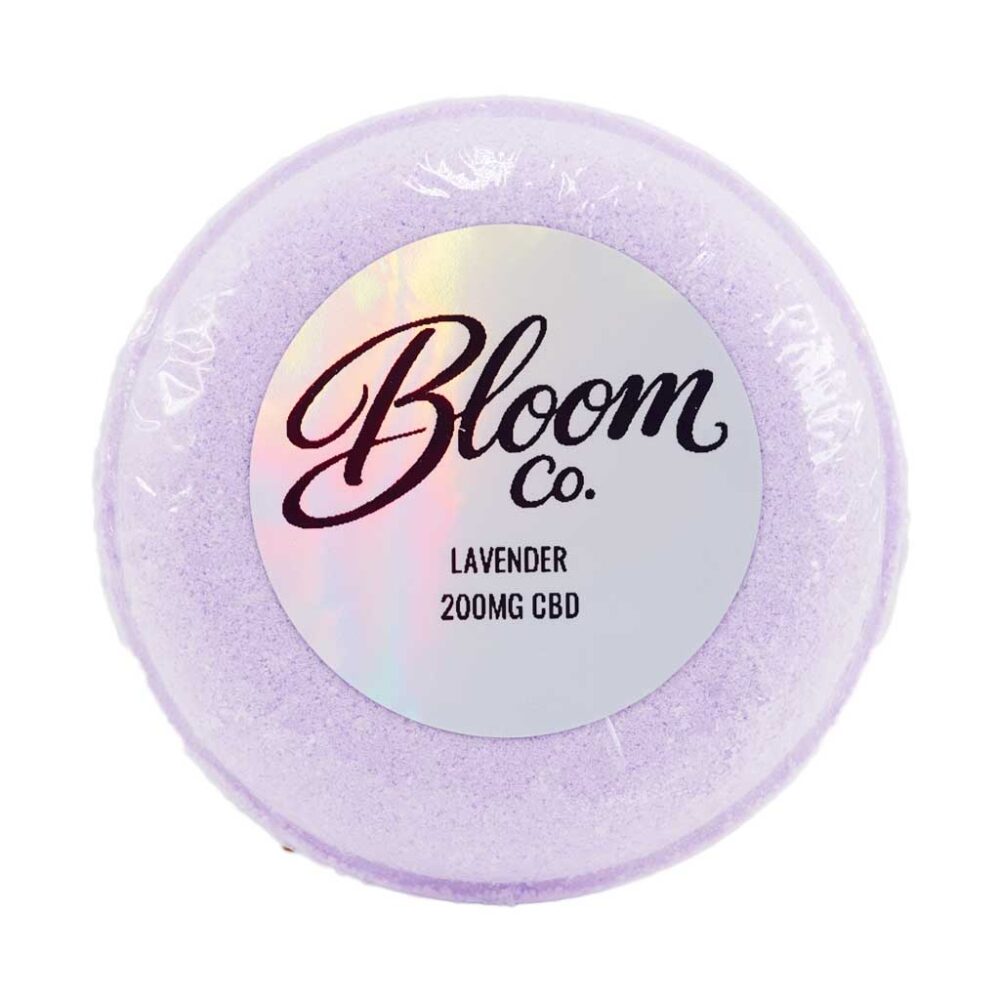
In my experience, the best products balance these sensations so that neither the heat nor the cold overpowers the other. A balm that is too hot can be uncomfortable, while one that is too mild may not deliver enough relief. This is where the expertise of the maker really shows.
Why I Turned to CBD Topicals
I first tried a CBD-infused balm out of curiosity. A friend who works in wellness had recommended it for my occasional knee stiffness after long runs. At the time, I was skeptical. I had used menthol-based gels before, and they worked but only for a short time. What surprised me about the CBD balm was how long the relief lasted. It was not a sudden shock of cold but a gradual easing of the ache. Over the next few hours, the discomfort faded without the need for reapplication.
This makes sense when you look at how cannabinoids work. CBD does not directly block pain signals the way some pharmaceuticals do. Instead, it influences the body's own regulatory pathways, reducing inflammation and encouraging a state of balance. For joint pain and muscle recovery, this can be a game-changer in the best sense: it supports the body's natural processes rather than overriding them. The warming effect of the balm helps drive the CBD deeper into the tissues, where it can be more effective.
I have since used a deep heat balm after heavy lifting sessions, and I have given them to older relatives who deal with chronic stiffness. The feedback has been consistent: it is subtle but real. The key is to apply it generously and allow a few minutes for the balm to warm up against the skin. The sensation builds slowly, and that is part of what makes it feel gentle yet effective.
Practical Tips for Using a Balm
If you are new to this type of product, here are a few things I have learned:

- Apply the balm to clean, dry skin. Moisture can dilute the ingredients and reduce absorption.
- Start with a small amount. You can always add more, but too much at once can feel overwhelming.
- Massage it in gently for about a minute. This helps the balm spread evenly and stimulates blood flow.
- Give it 10 to 15 minutes to take effect. The warming sensation builds gradually.
- Store the balm in a cool place. Heat can soften the beeswax and alter the texture.
These steps might seem basic, but they make a real difference. I have seen people slather on a balm and then complain that it did not work, only to realize they had not rubbed it in properly. The ritual of application is part of the therapy. It forces you to slow down and pay attention to the area that hurts, which in itself can be healing.
The Role of Hemp and Full-Spectrum Benefits
Not every CBD balm is the same. Some use CBD isolate, while others use full-spectrum hemp extract that contains a range of cannabinoids. In my reading and personal use, full-spectrum extracts seem to offer more robust effects. This is often called the entourage effect: the idea that multiple cannabinoids working together produce a stronger result than any single compound alone. For a topical product, this can mean more consistent relief for conditions like inflammation or muscle soreness.
I have also learned to check the source of the hemp. Quality matters, and brands that are transparent about their sourcing tend to produce more reliable balms. The site kushstation, for instance, focuses on CBD-infused topicals and bath bombs, so their products are designed specifically for topical use. Their deep heat balm would likely be formulated with these principles in mind, though I have not personally tested that exact product. The point is that the context of the brand matters: a company that specializes in CBD topicals is more likely to understand the nuances of formulation than a general wellness brand adding CBD as an afterthought.
When a Balm Is Not Enough
No balm can replace medical treatment for serious conditions. If you have an injury or chronic pain that does not respond to topical products, it is important to see a healthcare professional. But for everyday aches, for the stiffness that comes from sleeping wrong or from a long day on your feet, a deep heat balm is a practical, pleasant option. It is not about curing pain; it is about managing it with tools that respect your body's own rhythms.
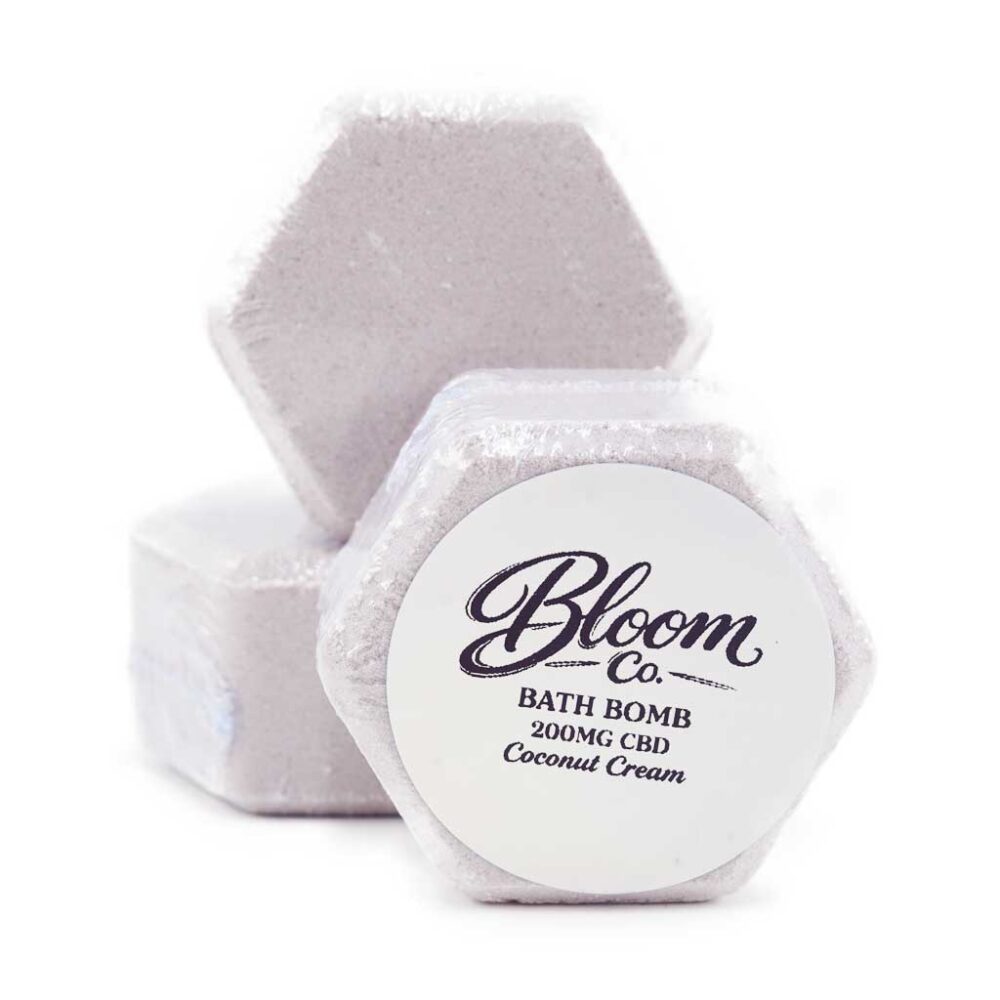
I keep a balm in my gym bag and another by my bedside. When my shoulders are tight from typing, I apply a small amount and let the warmth do its work. The combination of CBD, shea butter, and essential oils feels more like self-care than medication. And that, to me, is the real value. It turns a moment of discomfort into a moment of intentional relaxation.
If you are exploring options for natural relief, I recommend trying a balm that includes both warming and cooling elements, along with CBD. Look for products that list menthol and camphor among the ingredients, and make sure the base is rich in shea butter or coconut oil. The right deep heat balm can become a staple in your wellness routine, not because it is a magic bullet, but because it works gently and consistently over time.